
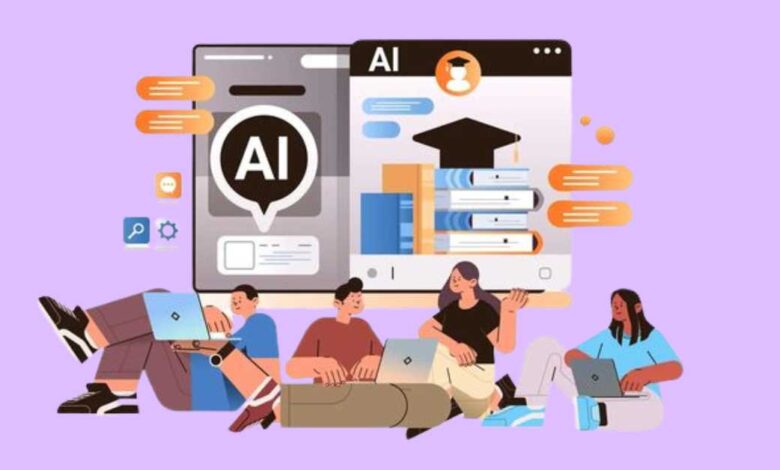
In the 21st century, technology is no longer just a tool—it has become the cornerstone of innovation and modern living. From smart homes to artificial intelligence, from healthcare advancements to digital communication, technology continues to redefine how we live, work, and interact. The integration of technology in daily life is not just convenience—it is a catalyst for progress, efficiency, and creativity, influencing every aspect of society.
The Role of Technology in Modern Life
Technology is ubiquitous, and its influence on modern living is profound. It impacts everything from communication and education to healthcare and transportation. The convergence of various technologies has created new possibilities, enabling us to solve problems that were once considered insurmountable.
| Aspect of Modern Life | Technological Influence |
| Communication | Smartphones, social media, instant messaging, video conferencing |
| Healthcare | Telemedicine, wearable health devices, AI-driven diagnostics |
| Education | Online learning platforms, virtual classrooms, adaptive learning |
| Transportation | Autonomous vehicles, ride-sharing apps, GPS navigation |
| Home and Lifestyle | Smart homes, IoT devices, energy-efficient appliances |
| Entertainment | Streaming services, gaming platforms, AR/VR experiences |
| Business & Work | Cloud computing, remote work tools, digital collaboration platforms |
This table highlights how technology permeates every sphere of life, enabling seamless interaction, improved efficiency, and innovative solutions.
Tech as a Driver of Innovation
Innovation thrives where technology intersects with creativity. Modern inventions—from renewable energy solutions to robotics—are rooted in technological advancement. Key ways tech drives innovation include:
Automation and Efficiency
Automation streamlines repetitive tasks in industries, offices, and even homes, reducing human error and improving productivity. Robotic process automation (RPA) and AI-powered systems transform how businesses operate, saving time and resources.
Data-Driven Insights
Big Data analytics and AI enable organizations to analyze trends, predict outcomes, and make informed decisions. These insights fuel innovation, guiding research and development in multiple sectors.
Connectivity and Collaboration
Technology has bridged distances. Cloud-based platforms and collaborative software allow teams from across the globe to innovate together, transcending geographical and temporal barriers.
Technology in Healthcare: A Revolution
Healthcare is one of the most visible sectors where technology shapes the future. Innovations include:
- Telemedicine: Remote consultations make healthcare accessible to even remote regions.
- Wearable Devices: Smartwatches and fitness trackers monitor vital signs in real-time.
- AI Diagnostics: Algorithms can detect diseases from imaging and laboratory data faster and often more accurately than humans.
- Robotic Surgery: Minimally invasive surgeries with robotic assistance improve precision and reduce recovery time.
These advancements not only enhance patient care but also increase the efficiency of medical systems worldwide.
Smart Homes and IoT: Redefining Living Spaces
The rise of smart homes and the Internet of Things (IoT) demonstrates how technology is transforming domestic life:
- Intelligent appliances that adjust energy usage automatically
- Voice-controlled devices for convenience and accessibility
- Home security systems integrated with AI for predictive monitoring
- Remote management of household devices via smartphone apps
Smart homes illustrate the fusion of technology with daily living, making homes more sustainable, secure, and user-friendly.
Education and Digital Learning
Technology has revolutionized education, providing tools and platforms for interactive, personalized learning:
- Online Learning Platforms: Coursera, Khan Academy, and others provide access to global knowledge.
- Virtual Classrooms: Enable synchronous and asynchronous learning for students worldwide.
- Adaptive Learning Systems: AI-based systems tailor educational content to individual learners’ needs.
- Gamification: Engaging students through interactive games and challenges enhances understanding and retention.
These innovations democratize education, making it accessible regardless of geography or socio-economic status.
Transportation and Mobility Innovations
Transportation has been dramatically reshaped by technology:
- Autonomous Vehicles: Self-driving cars reduce human error and increase road safety.
- Ride-Sharing Apps: Uber, Ola, and similar platforms optimize urban mobility.
- Electric Vehicles (EVs): Promote sustainability and reduce carbon emissions.
- Smart Traffic Management: AI-enabled systems minimize congestion and optimize traffic flow.
These technologies make transportation safer, more efficient, and environmentally friendly.
Entertainment and Digital Media
Entertainment has undergone a digital transformation, fueled by streaming platforms, gaming, and immersive technologies:
- Streaming Services: Netflix, Disney+, and others provide on-demand access to movies, series, and documentaries.
- Gaming Platforms: Online multiplayer games and virtual worlds enhance interactive entertainment.
- AR/VR Experiences: Augmented and virtual reality create immersive environments for entertainment and education alike.
These innovations redefine how people consume, create, and engage with media, emphasizing personalization and interactivity.
Business, Work, and Productivity
Modern businesses leverage technology to drive efficiency and innovation:
- Cloud Computing: Facilitates data storage, collaboration, and scalability.
- Digital Collaboration Tools: Platforms like Slack, Teams, and Zoom enable seamless remote work.
- E-Commerce: Online retail platforms have revolutionized shopping and global trade.
- AI-Powered Analytics: Provides insights for strategic decision-making and customer behavior prediction.
By integrating technology into workflows, organizations can adapt quickly to market demands and remain competitive in a fast-changing world.
Artificial Intelligence and Machine Learning
AI and ML are at the forefront of modern innovation:
- Predictive Analytics: Anticipates consumer trends and operational risks.
- Natural Language Processing: Powers chatbots, voice assistants, and real-time translation.
- Automation of Complex Tasks: AI algorithms perform tasks ranging from medical diagnosis to financial forecasting.
- Robotics: Enhances precision in manufacturing, healthcare, and logistics.
AI is not just a tool—it is a catalyst for new industries, products, and services, redefining innovation itself.
Sustainability and Green Technology
Modern technology also addresses environmental challenges:
- Renewable Energy Technologies: Solar, wind, and hydro power reduce dependence on fossil fuels.
- Smart Grids: Optimize electricity distribution and reduce energy loss.
- Electric Vehicles and Public Transport: Lower carbon emissions and promote sustainability.
- Waste Management Innovations: AI and IoT optimize recycling and waste reduction processes.
Tech-driven sustainability ensures that innovation and modern living coexist with environmental responsibility.
Permeation into Daily Life
Technology shapes nearly every facet of daily life:
- Digital Payments: Cashless transactions via apps and online banking
- Health Monitoring: Smart wearables track fitness, sleep, and vitals
- Home Automation: Lights, heating, and security can be controlled remotely
- Information Access: Instant access to global news and knowledge
By simplifying tasks, technology enhances quality of life, increases convenience, and fosters informed decision-making.
Challenges and Ethical Considerations
Despite its benefits, technology also presents challenges:
- Privacy and Security: Data breaches and cyber threats are significant concerns.
- Digital Divide: Unequal access can exacerbate socio-economic disparities.
- Job Displacement: Automation may replace certain types of jobs.
- Ethical AI Use: Decisions made by algorithms require transparency and fairness.
Addressing these issues is crucial to ensuring that technological advancement benefits society equitably.
The Future: Innovation and Modern Living
Looking ahead, technology will continue to reshape innovation and daily life:
- Smart Cities: Integrating IoT, AI, and renewable energy to optimize urban living.
- Advanced Healthcare: Personalized medicine, telehealth, and AI diagnostics.
- Next-Gen Education: AI-driven adaptive learning and global access to knowledge.
- Immersive Experiences: AR, VR, and mixed reality changing entertainment, work, and learning.
The future promises a world where technology seamlessly integrates with every aspect of living, fostering creativity, efficiency, and sustainability.
Conclusion
Technology is the engine driving innovation and modern living, influencing how we communicate, work, learn, and play. Its integration across sectors—from healthcare and education to entertainment and business—demonstrates its transformative power. While challenges exist, responsible and ethical use ensures that technology enhances quality of life, fosters creativity, and promotes sustainability.
As we continue into the future, it is clear that tech will shape every aspect of innovation and modern living, offering unprecedented opportunities for progress, connectivity, and global development. Embracing technological advancements responsibly ensures that society thrives in an increasingly digital and interconnected world.
FAQs About Technology and Modern Living
Q1: How does technology influence innovation?
A: Technology provides tools, data, and connectivity that enable creative solutions, streamline processes, and accelerate development in various industries.
Q2: What role does AI play in modern living?
A: AI powers automation, predictive analytics, personalized services, and decision-making tools, shaping industries from healthcare to finance.
Q3: How are smart homes transforming daily life?
A: Smart homes integrate IoT devices for energy efficiency, convenience, security, and remote management of household functions.
Q4: Can technology promote sustainability?
A: Yes, renewable energy, smart grids, electric vehicles, and waste management technologies help reduce environmental impact.
Q5: How is digital education changing learning?
A: Online platforms, adaptive learning systems, and virtual classrooms provide access to education globally, personalized to individual needs.
Q6: What are the challenges of rapid technological growth?
A: Privacy concerns, ethical AI use, digital divide, and job displacement are significant challenges requiring careful management.
Q7: How does technology affect healthcare?
A: It enables telemedicine, wearable health monitoring, robotic surgeries, and AI-assisted diagnostics, improving accessibility and efficiency.